
Narrowing a national landscape to bankable development sites
Our client, a renewable energy developer, sought to identify optimal locations for pumped storage hydropower capacity as part of a broader clean energy transition. With 100+ candidate sites identified from satellite and topographic data, they needed rigorous commercial and technical due diligence to determine which locations warranted capital allocation.
The engagement required building a full screening infrastructure from scratch: scoring methodology, cost models, risk frameworks, and a site registry that could support investment committee decision-making.
National site mapping and viability scoring
Interactive mapping of candidate locations with elevation, water access, and grid proximity data layers, scoring each site against our proprietary viability framework.
From satellite data to investment-ready shortlist
We combined geospatial analysis, engineering cost models, and commercial due diligence into a structured multi-phase screening process.
Satellite & Topographic Scan
Leveraged remote sensing data, DEM models, and hydrological databases to identify 100+ candidate locations meeting minimum elevation and water criteria.
Multi-Criteria Scoring
Built a weighted screening framework across 8 diligence dimensions, balancing technical feasibility, environmental risk, grid access, and development economics.
CAPEX & Feasibility Modeling
Developed bottom-up cost models for shortlisted sites, benchmarked against international PSH comparables to validate investment thesis and risk-adjusted returns.
Investment Committee Package
Delivered a structured site registry, risk matrices, and prioritized shortlist enabling the sponsor to advance sites into pre-development with confidence.
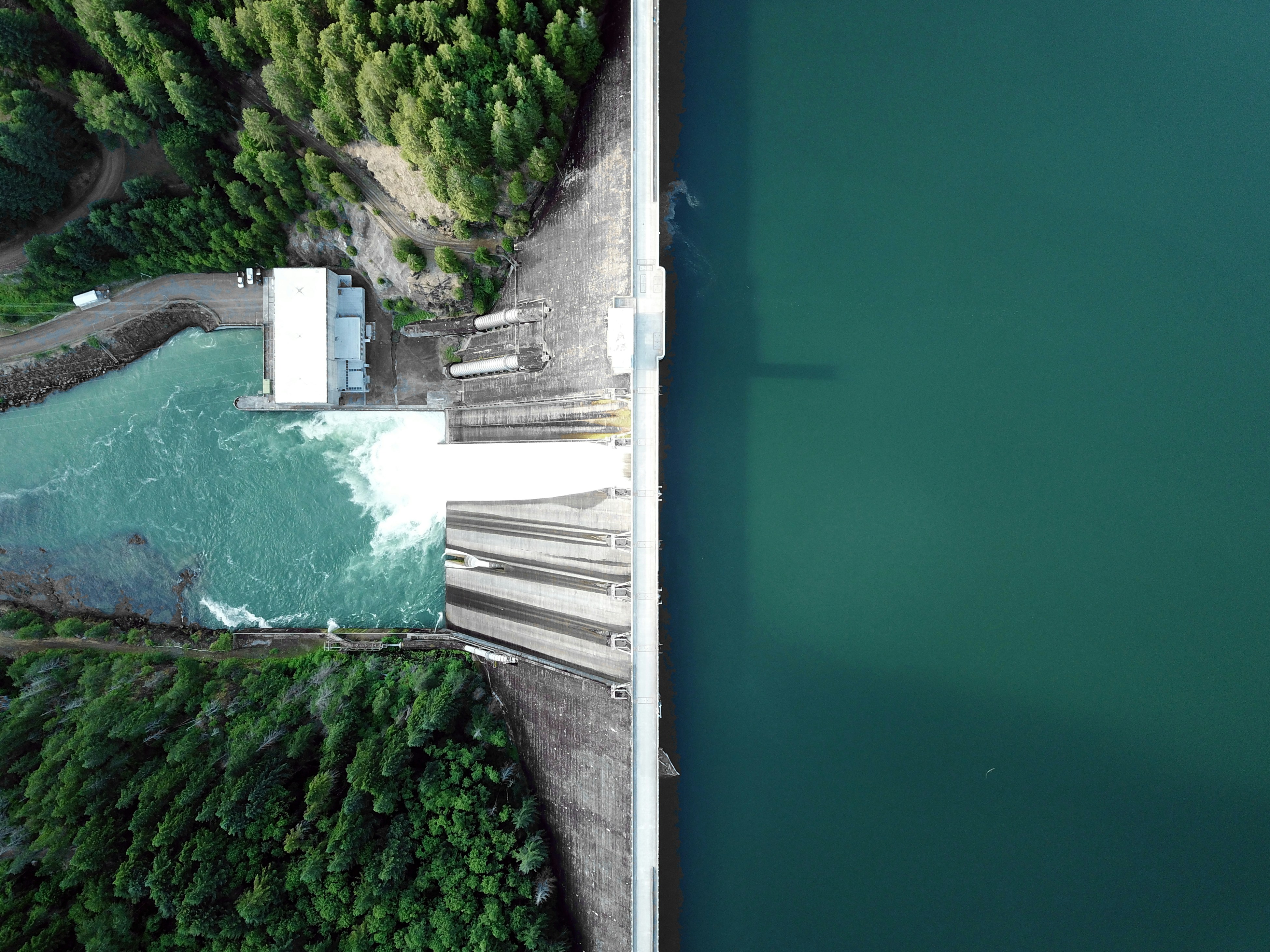
Weighted scoring across 8 diligence criteria
Each candidate site was evaluated against a proprietary scoring framework, weighting technical feasibility, environmental risk, and development economics.
| Criterion | Weight | Threshold |
|---|---|---|
| Elevation Differential | 20% | > 300m head between reservoirs |
| Water Availability | 18% | Perennial water source within 5km |
| Grid Proximity | 15% | < 25km to high-voltage transmission |
| Geological Stability | 14% | Low seismic risk, competent bedrock |
| Environmental Sensitivity | 12% | Outside protected zones & habitats |
| Land Accessibility | 10% | Road access, < 15km from highway |
| Community Impact | 6% | Minimal displacement, local support |
| Permitting Complexity | 5% | Clear regulatory pathway |
Structured database of evaluated sites
Each site was cataloged with technical specifications, estimated capacity, indicative CAPEX ranges, and a composite feasibility score driving shortlist decisions.
Illustrative data shown. Actual site details are confidential.
| Site | Region | Elevation | Capacity | Est. CAPEX | Score | Status |
|---|---|---|---|---|---|---|
| Site A | Northern Highlands | 1,200m+ | 300–400 MW | $380–450M | 94 | Shortlisted |
| Site B | Eastern Plateau | 1,500m+ | 250–320 MW | $300–380M | 87 | Shortlisted |
| Site C | Central Basin | 800m+ | 350–450 MW | $450–550M | 83 | Shortlisted |
| Site D | Western Range | 700m+ | 180–250 MW | $220–280M | 78 | Under Review |
| Site E | Southern Valley | 1,000m+ | 280–350 MW | $340–400M | 74 | Under Review |
| Site F | Coastal Foothills | 900m+ | 220–300 MW | $280–350M | 69 | Deferred |
Greenfield site deep-dive and dam classification
Shortlisted locations mapped with reservoir pair geometry, dam type classification, and infrastructure overlay, validating technical feasibility for the top-scoring candidates.
Illustrative CAPEX breakdown
Bottom-up capital expenditure modeling for the lead site, benchmarked against comparable international PSH developments. Typical cost allocation shown below.
From 100+ candidates to investment-ready shortlist
Delivered a complete diligence package including the site registry, CAPEX models, risk matrices, and a prioritized shortlist of development-ready locations. The work product enabled the client to advance multiple sites into pre-development, securing initial land options and beginning environmental impact assessments.
The screening methodology and registry framework have since been adapted for deployment in additional markets.